
Civil Engineering
Er. Suvarna Singh Raut
Head of Department (Civil Engineering)/Senior Lecturer
Master’s Degree in Geotechnical Engineering
View profile
TU affiliated program
A four-year, eight-semester program preparing competent, innovative, and ethical professionals to design and develop the infrastructure that drives national progress.
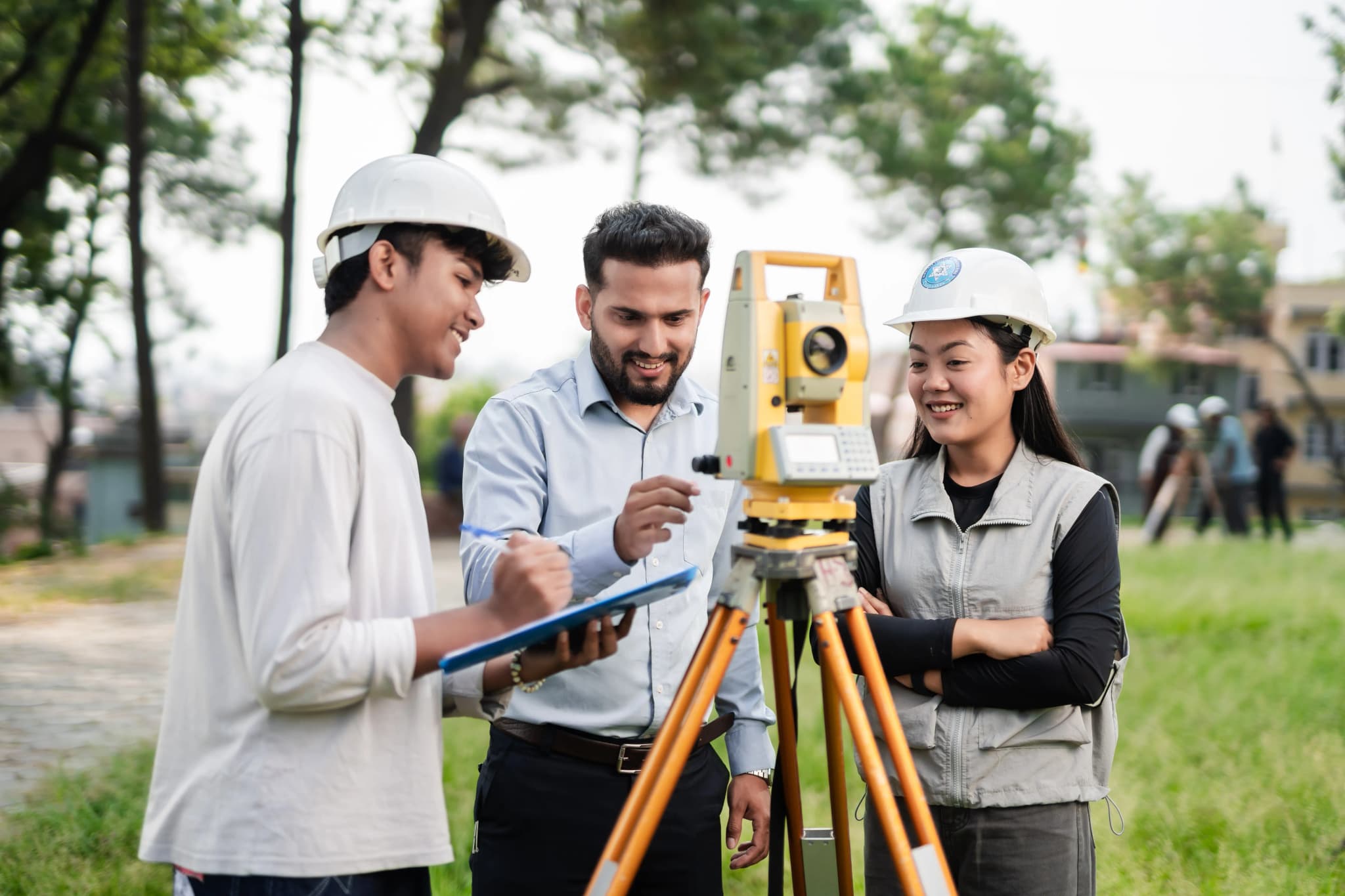
The Bachelor of Civil Engineering is a four-year (eight-semester) undergraduate program that prepares students to become competent, innovative, and ethical professionals capable of designing and developing the infrastructure that drives national progress…
0-2 years
3-7 years
8+ years
Students in BE Civil Engineering build a strong foundation for careers in infrastructure planning, design, construction, environmental sustainability, research, and engineering management.
Structural Design & Analysis Engineer
Geotechnical & Foundation Designer
Transportation & Highway Designer
Water Resources & Hydraulic Designer
Construction & Project Manager
Environmental & Sanitation Engineer
Urban Infrastructure & Municipal Planner
Earthquake & Disaster Risk Reduction Engineer
Research, Consulting & Academia
Eleven specialized laboratories support practical learning across materials, structures, surveying, water systems, geotechnical studies, and transportation engineering.
Supported by practical sessions, demonstrations, and supervised student project work.
Supported by practical sessions, demonstrations, and supervised student project work.
Supported by practical sessions, demonstrations, and supervised student project work.
Supported by practical sessions, demonstrations, and supervised student project work.
Supported by practical sessions, demonstrations, and supervised student project work.
Supported by practical sessions, demonstrations, and supervised student project work.
Supported by practical sessions, demonstrations, and supervised student project work.
Supported by practical sessions, demonstrations, and supervised student project work.
Supported by practical sessions, demonstrations, and supervised student project work.
Supported by practical sessions, demonstrations, and supervised student project work.
Supported by practical sessions, demonstrations, and supervised student project work.
A concise view of the major subjects students encounter across the program.
Meet the instructors and mentors who support academic delivery, labs, and student projects.
Civil Engineering
Head of Department (Civil Engineering)/Senior Lecturer

Civil Engineering
Principal/Asso. Professor

Civil Engineering
Senior Lecturer/Member Secretary (RMC), Chief Editor (JHCOE)

Civil Engineering
Lecturer/ Program Coordinator

Civil Engineering
Assistant Lecturer/Lab Coordinator

Civil Engineering
Lecturer

Civil Engineering
Lecturer

Civil Engineering
Lecturer

Civil Engineering
Lecturer

Civil Engineering
Assistant Lecturer

Civil Engineering
Lecturer

Civil Engineering
Lecturer

Civil Engineering
Lab Assistant (Civil)

Civil Engineering
Lab Assistant (Civil)
Common admissions, eligibility, and career questions for this degree.
The program is a four-year, eight-semester undergraduate degree focused on the design, construction, and research of essential infrastructure.
Nepal faces frequent seismic activities, natural disasters, and rapid urbanization, creating a high demand for skilled civil engineers to build resilient, sustainable infrastructure and manage disaster mitigation.
Yes! Hands-on learning is a core element, featuring practical site visits, geological study tours, camp-based surveying (such as the 10-day intensive Survey Camp), and real-time infrastructure observations.
The curriculum equips students with skills across core engineering fields, including structural design, geotechnical engineering, water supply systems, sewerage, and transportation networks.
Civil engineering offers a versatile, numerate degree that acts as a gateway to public service, private infrastructure development, consulting, research, and various analytical career paths globally.
Graduates can work in construction, consulting, infrastructure development, government agencies, research, and project management in Nepal and abroad.
Yes. Graduates are eligible to pursue Master's and PhD programs in Civil Engineering and related disciplines in Nepal and internationally.
Yes. Civil Engineering graduates have opportunities to work internationally, subject to the licensing, visa, and professional registration requirements of the destination country.
Review admissions requirements, scholarship options, and application timelines with the HCOE admissions team.